
The Society of American Florists is urging federal trade officials to exclude cut flowers and unrooted plant cuttings from any tariffs that could result from the U.S. Trade Representative’s ongoing Section 301 investigations into forced labor practices.
The investigations examine whether certain economies have failed to prohibit or effectively enforce bans on the importation of goods produced with forced labor. The USTR is considering potential trade actions, including tariffs, as a result of those findings.
In comments submitted to the office of the U.S. Trade Representative on July 6, SAF argued that floriculture products should not be subject to additional duties because the industry already demonstrates a strong commitment to responsible labor practices and is not among the agricultural sectors identified as having elevated risks of forced or child labor.
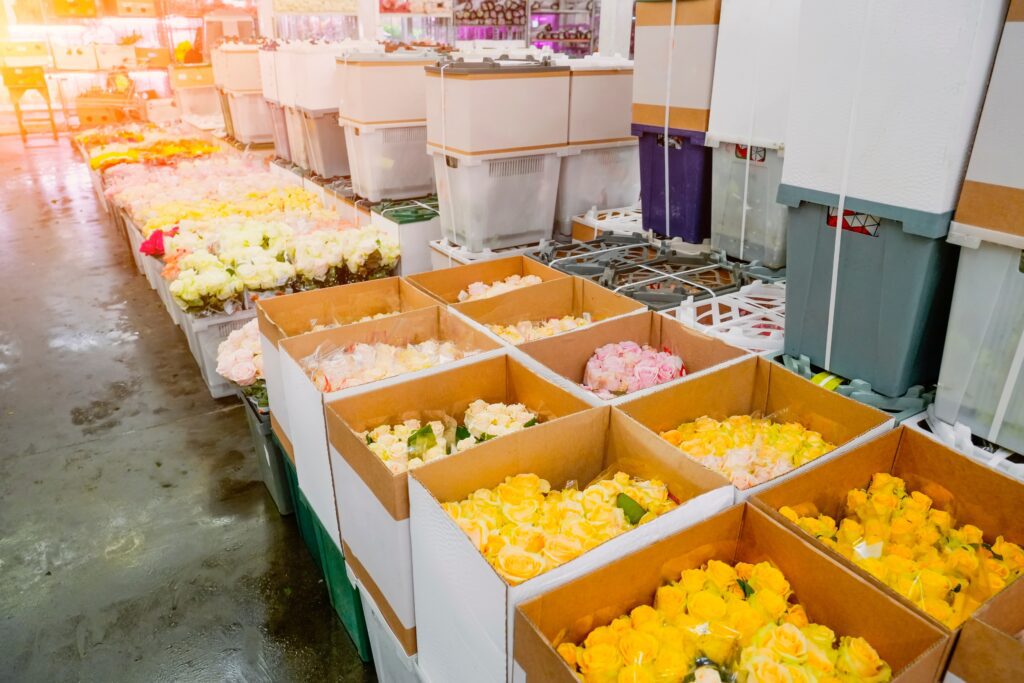
SAF also emphasized the importance of imported flowers and plant material to the U.S. floral supply chain. Approximately 75% to 80% of all cut flowers sold in the United States are imported, while more than 90% of the unrooted cuttings used by U.S. greenhouse growers originate abroad.
SAF noted in the letter that imported cut flowers help wholesalers and retailers meet year-round consumer demand, while imported young plant cuttings serve as essential starter material for U.S. greenhouse growers.
SAF also pointed to the industry’s extensive adoption of internationally recognized sustainability and labor certification programs: Approximately 81% of flowers exported from Colombia to the United States are certified through Florverde Sustainable Flowers, while nearly 80% of Ecuadorian flower exports carry comparable certifications. SAF pointed out that those programs include independently audited standards addressing worker welfare, occupational health and safety, freedom of association and prohibitions against forced and child labor.
SAF argued that imposing tariffs on flowers and plant cuttings would do little to advance the labor objectives of the investigation and would instead increase costs throughout the floral supply chain.
“Rather than changing labor practices abroad, tariffs would primarily increase costs for American businesses throughout the floral supply chain — including U.S. growers, wholesalers, importers, retailers and florists — and ultimately for American consumers,” Penn wrote.
The filing is the latest in SAF’s ongoing advocacy on trade policy and tariffs. Last year, SAF and the International Fresh Produce Association in November urged federal officials to exempt cut flowers from tariffs imposed under the International Emergency Economic Powers Act (IEEPA), warning that additional duties would raise costs for businesses and consumers while doing little to increase domestic flower production. Although courts later struck down many of those tariffs, the Administration has continued to pursue trade actions through other authorities, including Section 301 investigations, which can support longer-term tariff measures.
At least one floral industry representative weighed in during USTR’s public hearing on July 8. Christine Boldt, executive vice president of the Association of Floral Importers of America, testified before the agency on behalf of floral importers, urging officials to exempt floral products from any tariffs that could result from the investigation.
“It was really important for AFIA to be there to make sure that we are supporting our members and the industry as a whole,” Boldt says, noting that importers would bear the direct cost of any new duties because they are the importers of record.
Much of Boldt’s testimony echoed SAF’s comments, emphasizing the floral industry’s strong labor and sustainability standards, the importance of imports to the U.S. floral supply chain and the potential for tariffs to increase costs without advancing the investigation’s labor-related objectives.
Amanda Jedlinsky is the senior director of content and communications for the Society of American Florists.