
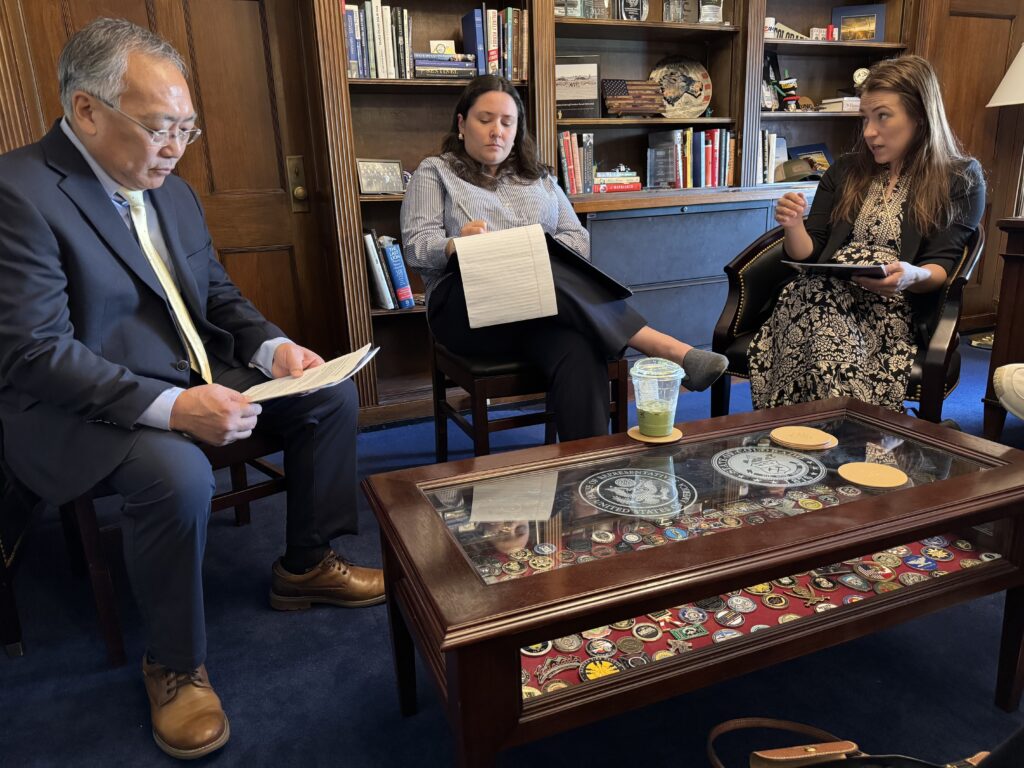
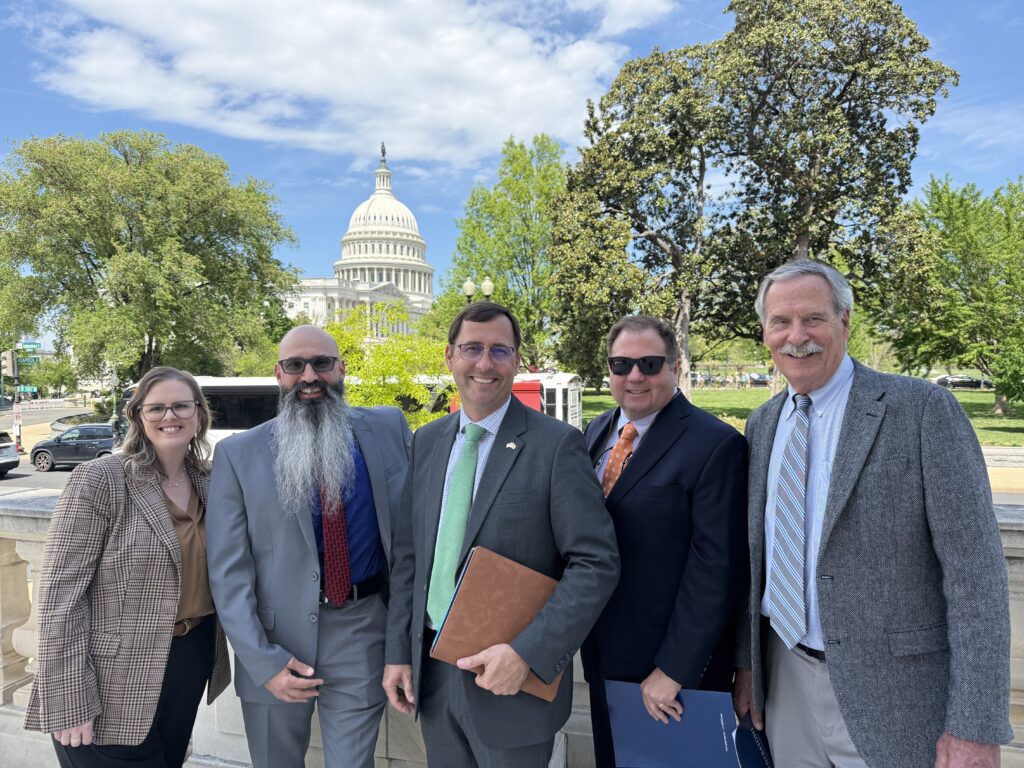
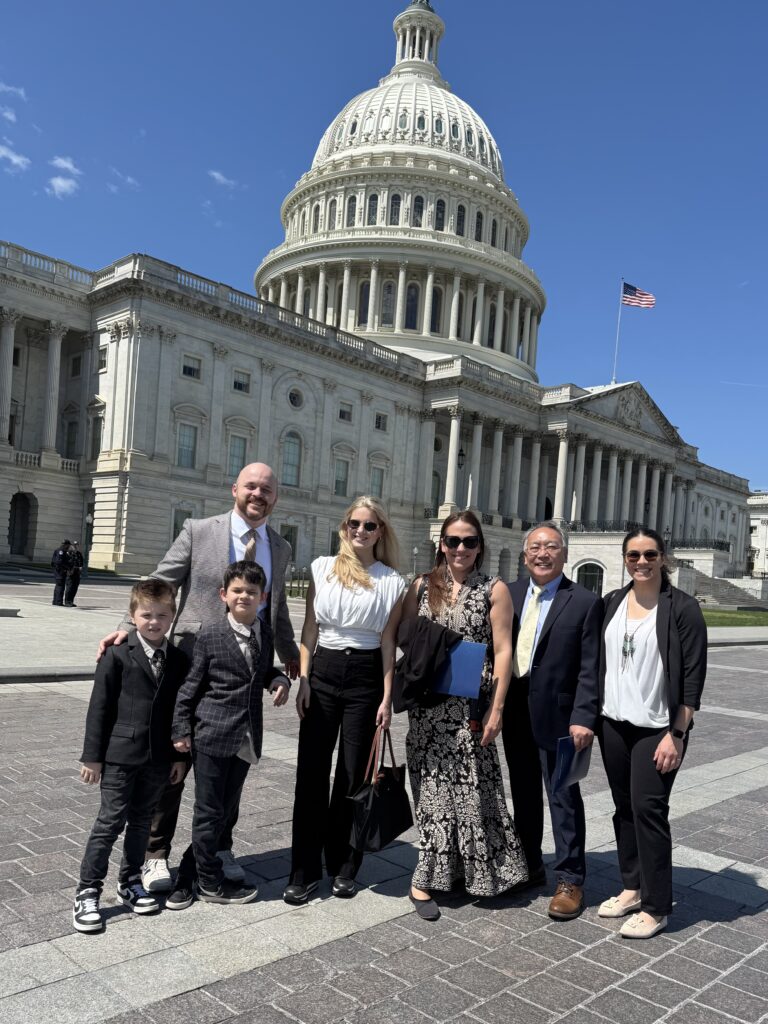
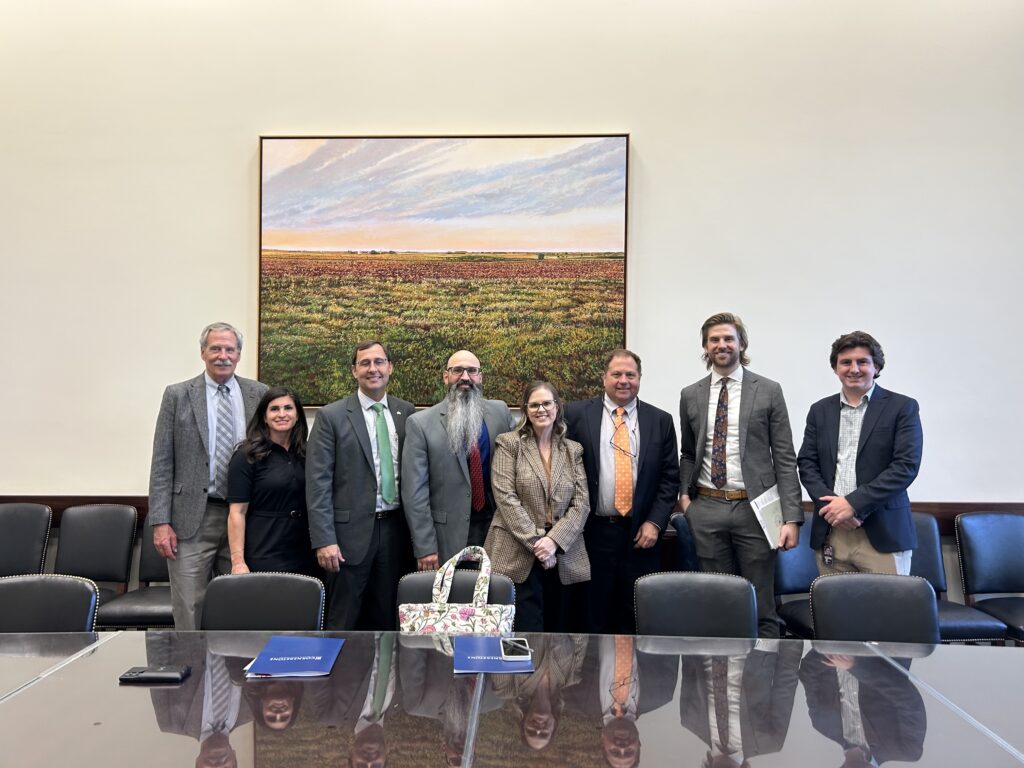
Nine floriculture professionals fanned out across Capitol Hill on April 14, carrying a unified message to lawmakers: research funding and economic relief are immediate business needs.
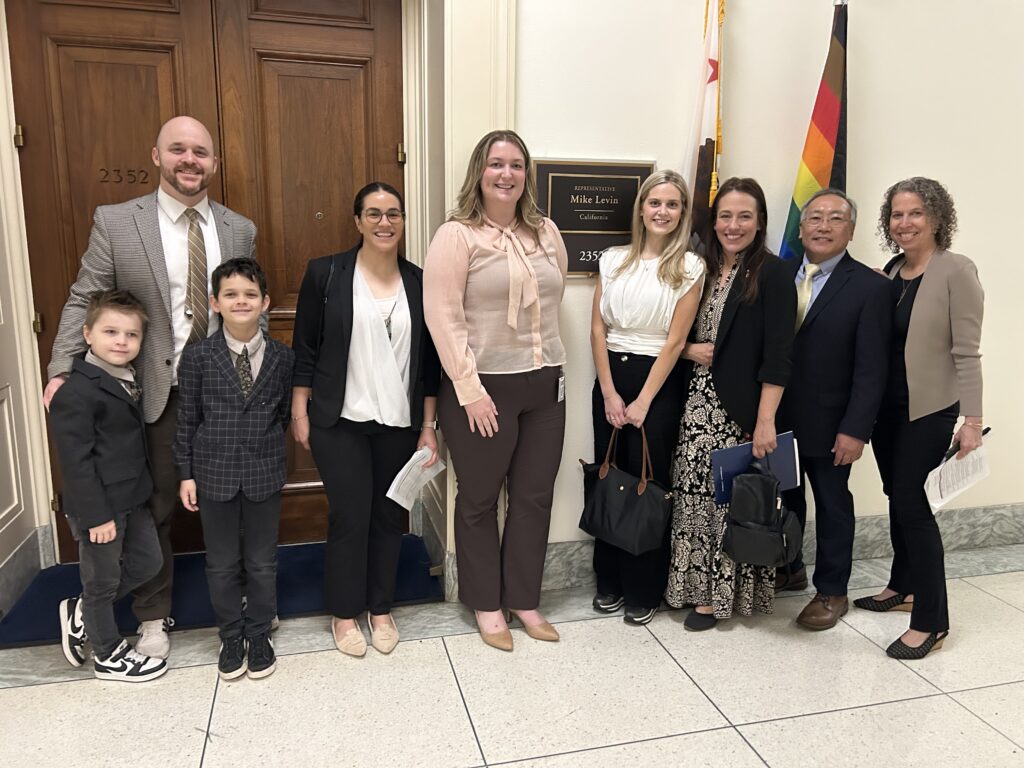
The Society of American Florists-led delegation, representing growers, wholesalers, suppliers and retailers from across the country, spent a full day meeting with 11 congressional offices as part of a targeted fly-in timed to federal appropriations negotiations. The event was sponsored by FTD and Asocolflores (the Association of Colombian Flower Exporters).
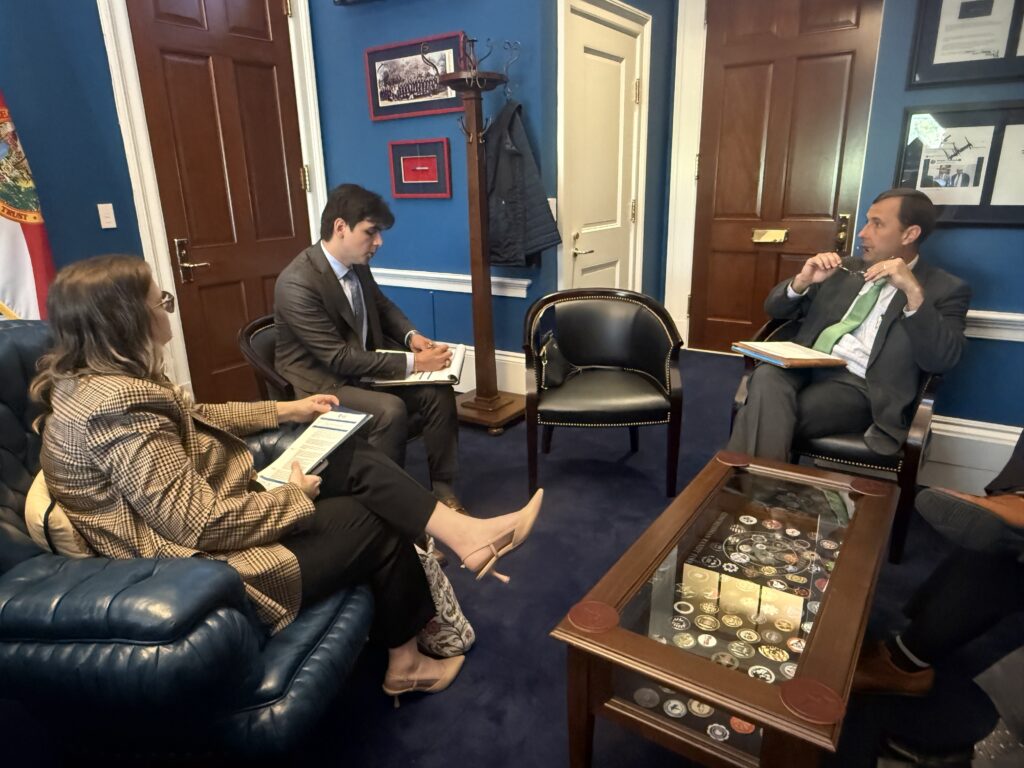
“It was really important for us to be here to advocate and help lawmakers understand that what’s happening for us as growers trickles all the way down to retail shops and consumers,” says Victoria Register of FernTrust, a foliage cooperative in Florida.
She and others, including Austin Bryant, AAF, of Heart of Florida Greenhouses, pointed to their experiences this winter, when Florida temperatures plunged into the upper 20s, causing significant losses in product, increased energy costs and lost sales.
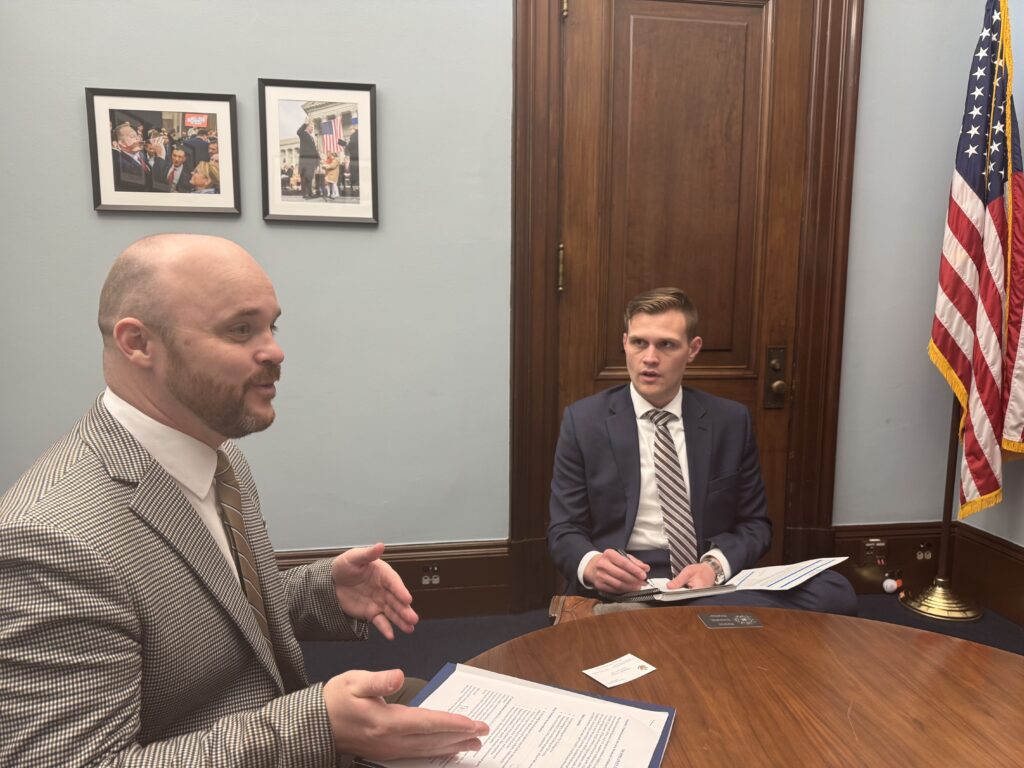
Accompanying Register and Bryant was David Mitchell of Mitchell’s Flowers and Events in the Chicago area, who brought the conversations full circle.
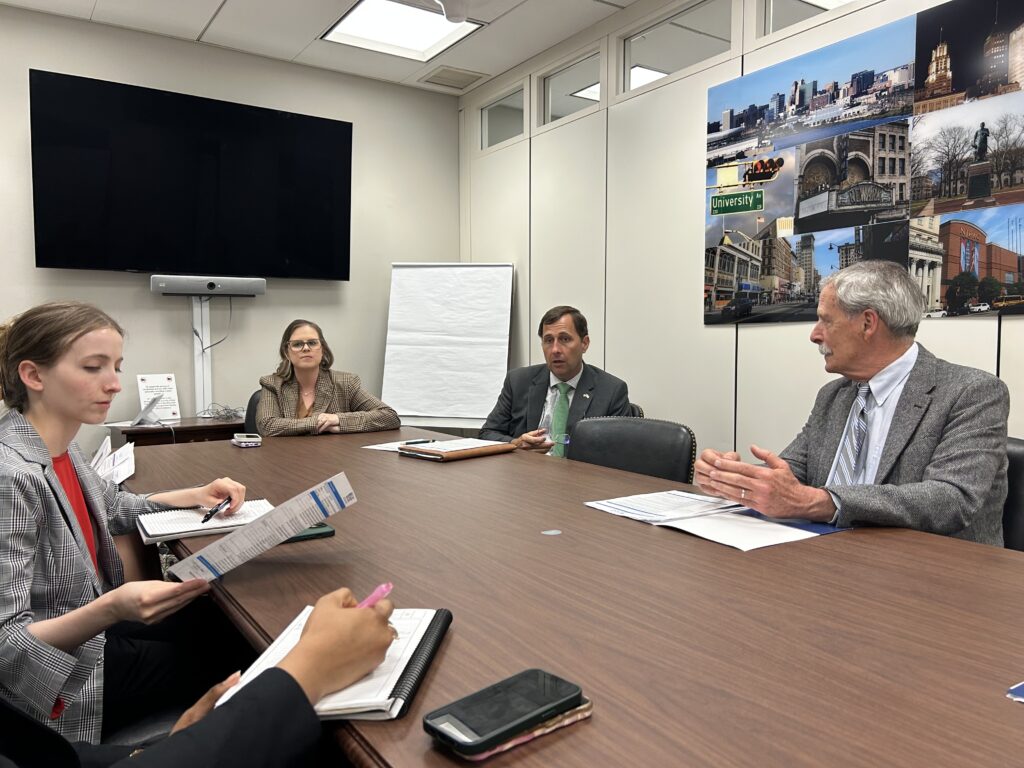
“I buy from FernTrust and Heart of Florida Greenhouses,” he told aides in several offices, including those of U.S. Sens. Rick Scott and Ashley Moody, both R-Fla., and U.S. Rep. Randy Fine, R-Fla. “So, when they suffer losses from freezes and don’t get aid, that hurts me — and my customers too. And when they benefit from research that makes their businesses more efficient, that benefits everyone.”
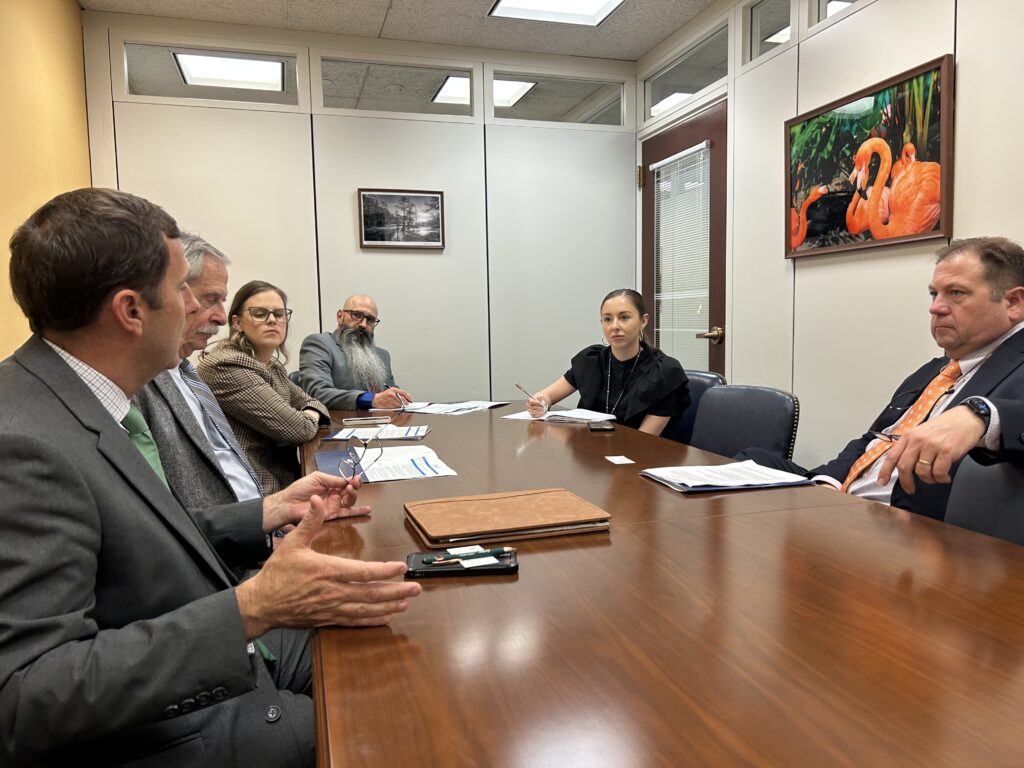
Aides, already familiar with the challenges facing their farming constituents, asked follow-up questions and said the insights would help inform their work in Congress.
Other fly-in attendees included: Kaci Anderson of Tradewinds International; Christine Guenther, AAF, PFCI, of Wildflower Stem + Sundry; Ryan O’Neil, PFCI, of Curate Floral Software; James Santoli of Jet Fresh Flower Distributors; Robert Swanekamp Sr. of Kube-Pak; and Randy Tagawa of Tagawa Greenhouses.
Shaping Funding Priorities
The visits came as Congress begins shaping fiscal year 2027 funding priorities, including decisions that could directly affect the Floriculture and Nursery Research Initiative (FNRI), a program SAF has prioritized in its advocacy, growing it from $500,000 in its first year to $6.4 million today.
FNRI supports research into mechanization, pest and disease management, post-harvest handling and production efficiency — areas that underpin operational viability for many businesses. But uncertainty surrounding federal funding levels, including proposed cuts to USDA research programs, has raised concern across the industry.
That backdrop shaped the delegation’s conversations with lawmakers, who are weighing competing budget priorities in a politically complex environment. Fly-in attendees emphasized that FNRI-funded research benefits not only floriculture, but agriculture more broadly, and is unique in its collaboration between USDA’s Agricultural Research Service and universities across the country.
SAF members delivered a clear, unified ask: maintain FNRI funding at least at fiscal year 2026 levels.
Industry Realities
Members also highlighted the financial strain facing specialty crop producers — from rising input costs to gaps in federal assistance. Floriculture businesses, they noted, were excluded from recent USDA relief programs, with most aid going to row crop producers.
Despite facing many of the same economic pressures as other agricultural sectors, floriculture growers have received little direct support. SAF members urged congressional offices to ensure floriculture and other specialty crop growers are included in the $15 billion to $17 billion economic assistance package currently under consideration.
Voices Matter
With House and Senate committees expected to advance funding bills this spring, and broader agricultural legislation facing an uncertain path, the industry’s presence in Washington remains a key part of shaping outcomes.
“I can — and do — share the challenges and needs of floriculture businesses with lawmakers,” says SAF Senior Lobbyist Joe Bischoff, Ph.D. “But they need to hear directly from their constituents. Those real-world stories are what help lawmakers understand the stakes, build support and ultimately make informed decisions.”
See more photos from the fly in here.
Amanda Jedlinsky is the senior director of content and communications for the Society of American Florists.
